

-
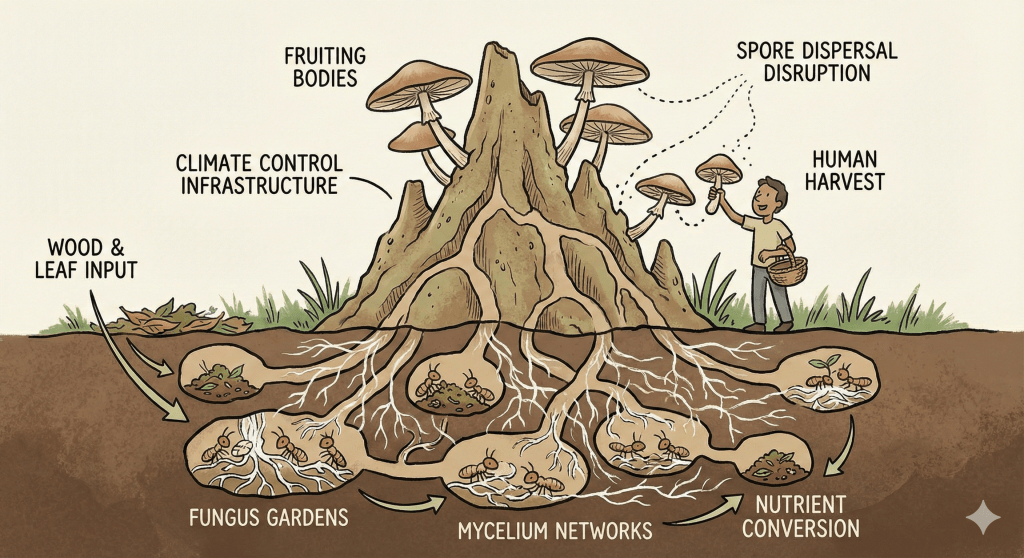

The Underground Agrarian City-State:A Civilization of Storage Built by Termite “Garden Cities”
Read more: The Underground Agrarian City-State:A Civilization of Storage Built by Termite “Garden Cities”Termites Do Not Cultivate Mushrooms – They Cultivate Durability We tend to call only surface societies “civilizations.”Yet beneath our feet, another kind of state exists.…
-
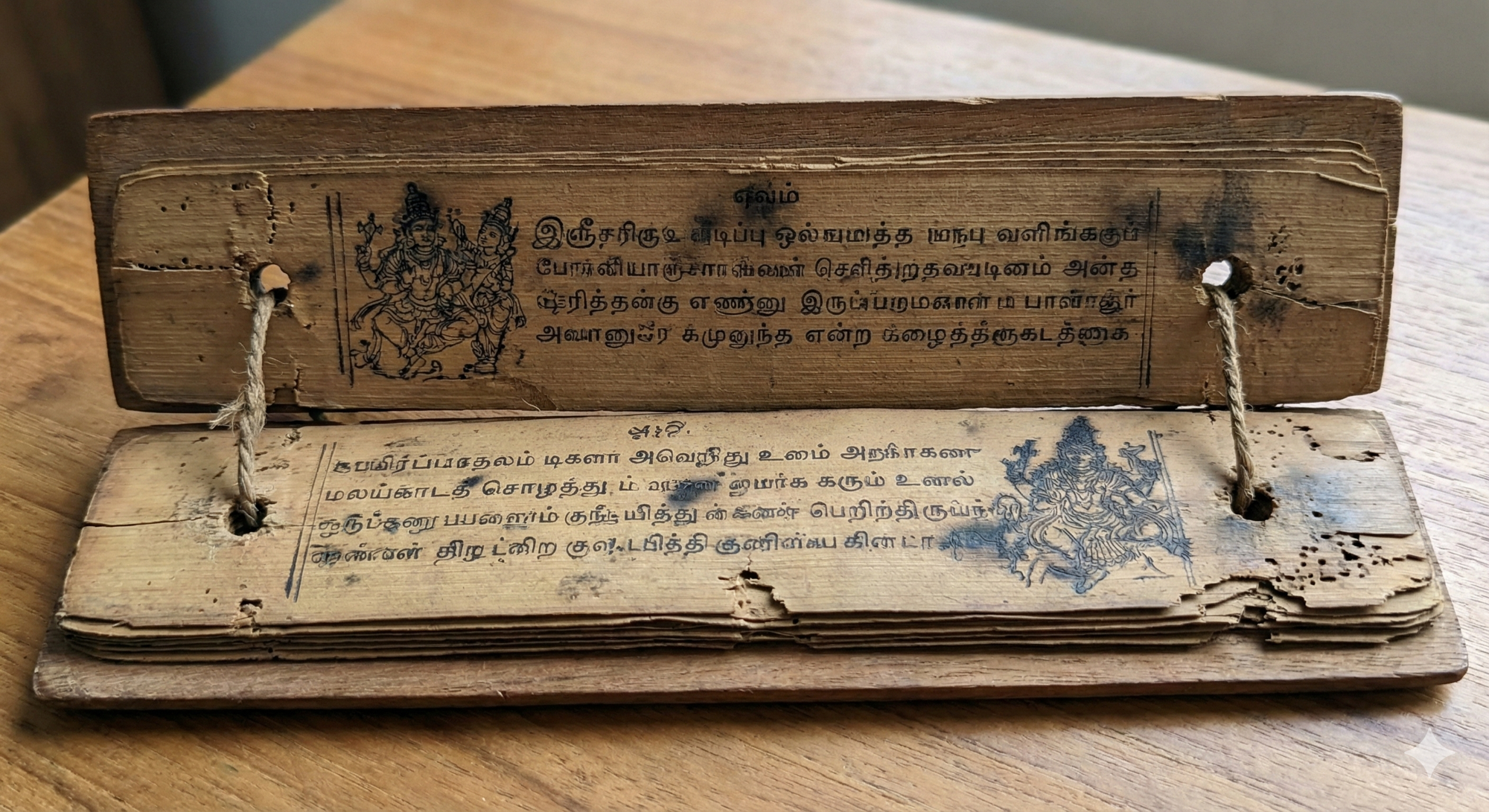

Finding the Lost Rhythm: From Palm-Leaf Oracles to the Engine of Story
Read more: Finding the Lost Rhythm: From Palm-Leaf Oracles to the Engine of Story인생에서 누구에게 가장 많은 영향을 받고 있나요? 1. The Ancient Seal: A Map of Fate Etched on Palm Leaves Among humanity’s earliest recording media, palm-leaf…
-
The Distance Where Words Disappear
Read more: The Distance Where Words DisappearI couldn’t recognize people.It felt as if only my life had a different season—while others laughed in spring, I stood in winter. Sharing values only…
Writing Pillars
For ecological imagination and planetary stewardship.
Future Earth tracks how life adapts—through climate, food, soil, and local survival systems.
It focuses on practical resilience: storage, circulation, regeneration, and the infrastructures that keep communities alive.
For heritage, myth, and the stories that endure.
Cultural Earth gathers cultural memory—myths, symbols, rituals, and the emotional codes that shape identity.
Here, tradition is not “the past,” but a living technology for making meaning now.
For speculation, worldbuilding, and narrative experiments.
Future Imagined is where new worlds are drafted—through fiction, prototypes, and thought experiments.
It treats imagination as a design tool: not escape, but a method for building tomorrow.
For power, ethics, and the structures we build.
Human Systems examines platforms, institutions, and economies—how they centralize, how they fail, and how people survive inside them.
It asks a simple question: what kind of system deserves human life?
For cities, movement, and the geographies of belonging.
Urban Cosmos looks at place as an operating system—migration, logistics, housing, and the invisible networks that move goods and people.
Cities are not just spaces; they are stories with supply chains.
For short reflections, emerging ideas, and cultural pulses.
Signals is the rapid feed: notes, links, experiments, early warnings, and small observations that precede bigger shifts.
A living index of what’s changing—before it becomes “news.”
