“In the mountains of Korea, ancient footsteps echo through mindful paths of healing.”
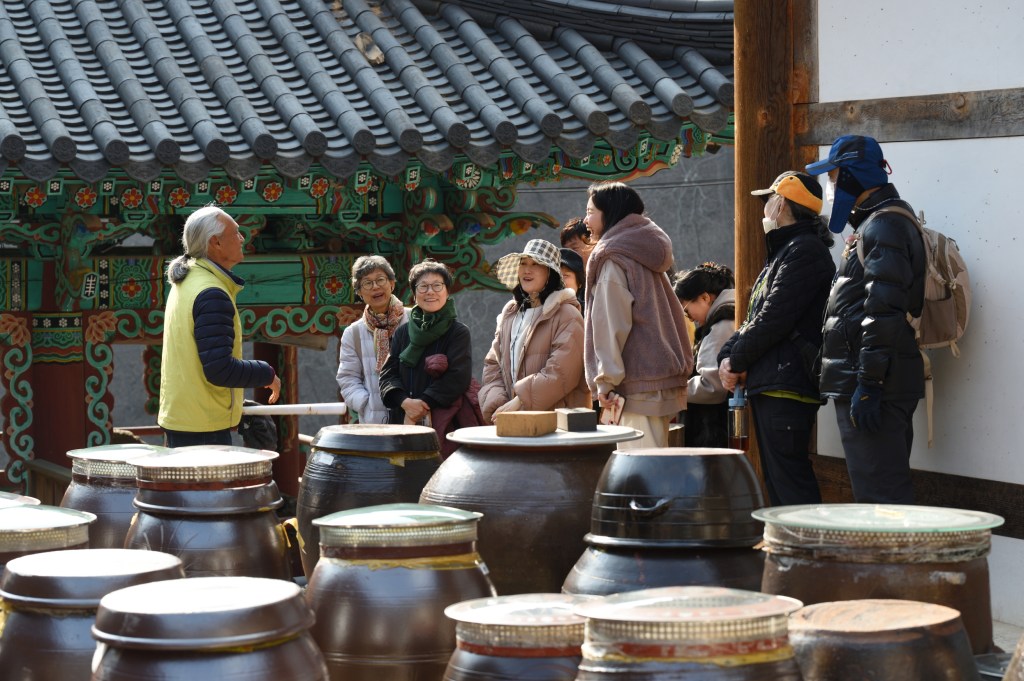
🔸 A New Pilgrimage for the Modern Soul
In an age where silence is rare and stillness even rarer, a quiet county in South Korea—Cheongyang (청양군)—is reimagining what it means to travel. Not just to move, but to transform.
Launching its initiative as part of the 2025 Year of Cultural Tourism, Cheongyang unveils “HyeYum-gil (혜윰길, Sacred Wisdom Trail),” a new kind of pilgrimage trail that merges religion, wellness, and inner reflection.
This initiative is a part of the Western Inland Tourism Development Project, supported by Korea’s Ministry of Culture, Sports, and Tourism, aiming to create contemplative tourism experiences across sacred grounds in central Korea.
🔸 Healing the Body and the Spirit
Unlike traditional sightseeing routes, HyeYum-gil is not about ticking off destinations. It’s about pausing. Listening. Reconnecting. Whether you are religious or not, this trail welcomes those who seek healing—through nature, ritual, and mindful practices.
Two main programs launch this spring:
1. Darakgol Pilgrimage & Mind Healing Journey
(다락골 성지와 마음 치유 순례)
Walk the forest paths once tread by Fr. Thomas Choe Yang-eop (최양업 신부), one of Korea’s earliest Catholic martyrs. This course includes:
- Forest pilgrimage walks
- Moonlight trekking
- Sacred site meditation
- Clay soap-making
- Rock climbing for inner fortitude
“This is not tourism—it’s reconciliation with your own memory.”
2. Temple & Vegan Wellness Retreat
(몸을 비우는 사찰·비건 여행)
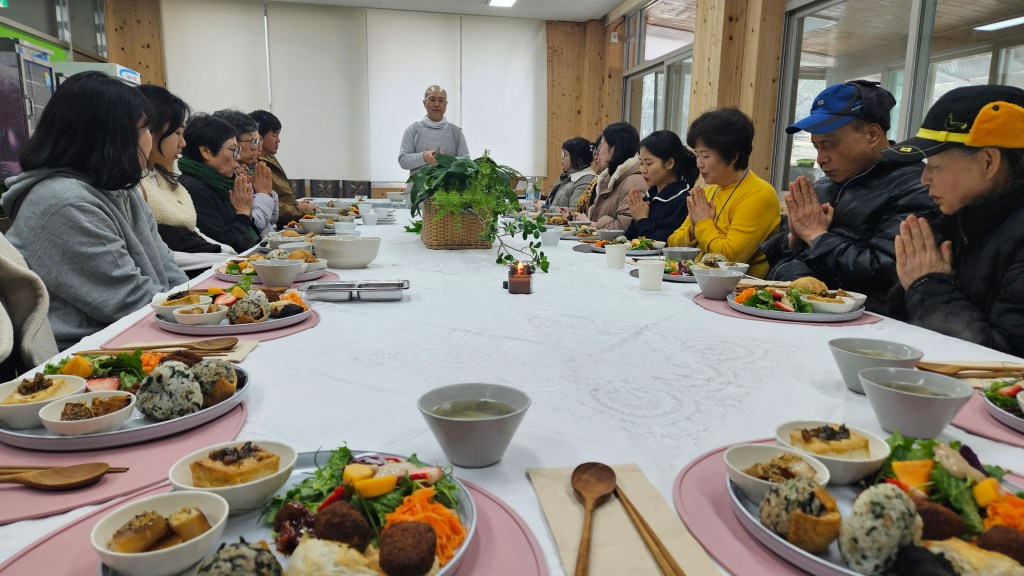
At Janggoksa Temple (장곡사), nestled in the hills of Cheongyang, join a monastic cooking session with a Bhikkhuni (비구니 스님), and experience:
- Temple vegan meals
- Aromatherapy foot baths
- Guided forest meditation
🔸 From Sacred Sites to Digital Guides
To make the journey accessible to solo travelers, the trail integrates with KTO’s Odi app, a smart audio guide. Without needing a guide or reservation, visitors can explore the symbolic history and spiritual meaning behind each sacred site—in their own time and language.
🔸 A Vision Beyond Religion
“HyeYum-gil is not just about religion. It’s a healing pilgrimage for modern life.”
— Kim Don-gon, Mayor of Cheongyang
This is K-Wellness 2.0—where Korea’s ancient spiritual traditions meet contemporary needs for emotional and psychological healing.
By offering a sustainable, immersive journey that nourishes both body and soul, Cheongyang positions itself as a central hub for contemplative travel in East Asia.
🔸 Why It Matters Globally
The Sacred Wisdom Trail is more than a local initiative. It belongs to a global movement—a quiet revolution reclaiming travel as a spiritual act.
Like Spain’s Camino de Santiago, Japan’s Shikoku Pilgrimage, or India’s Varanasi Ganga Ghats, Cheongyang’s HyeYum-gil invites the world to walk—not to arrive, but to become.
🧭 Quick Info
| Program | Theme | Highlight |
|---|---|---|
| Darakgol Mind Pilgrimage | Catholic history + forest trekking | Walking path of Fr. Choe Yang-eop |
| Temple Vegan Wellness | Buddhist meditation + clean eating | Cooking with Bhikkhuni, aroma therapy |
| Smart Guide App | Digital pilgrimage | App-enabled multilingual guidance |
📸 Visual Story (Optional Additions)
- Aerial shot of moonlight forest trek
- Vegan food from monastic table
- A clay soap in a wooden bowl, handmade
- Bhikkhuni leading prayer at dusk
🌍 Conclusion: Walking the Future of Pilgrimage
In the folds of Cheongyang’s mountains, a new path is emerging—not just for Korean travelers, but for anyone seeking peace in a fractured world.
The Sacred Wisdom Trail offers not only a destination, but a mirror to one’s own soul.
Come not to escape, but to return—to yourself.
By Batang



Leave a comment