


[Prologue] The Beginning of Longing
I wanted to ask the world a question: why do we live, and what do we dream for? To answer that, I turned to film and art. Around the time I graduated from university, I dreamed of becoming a film director. More precisely, I wanted to express the stories I longed to tell through the medium of film.
I chose art as my major to express my inner world. But fine art was the domain of the educated and the privileged. It lacked reach and had little room for expansion. In contrast, film was different. It was a popular art form—less dry than books and capable of touching hearts quickly and deeply. A single movie could change someone’s life. That was the power that drew me to cinema.
[Act 1] The Era of Film Art and CG
So I began with film art. But at that time, the film industry was steeped in male-dominated, morally questionable culture. Women were limited to roles in art, props, acting, or production support. Becoming a director was a dream I had to let go of.
Still, film art was enchanting. Planning ideas and creating new worlds through illustration brought me great joy. I joined the only company in Asia at the time specializing in technical sets and filming miniatures. But the rise of computer graphics (CG) soon rendered my job obsolete. That world faded away.
[Act 2] Dreams Crossed, A Partnership Shattered
Ten years passed. My ex-husband and I shared overlapping dreams, and we clung to that common ground for 15 years. We started a webtoon—I wrote the stories, he illustrated them. But science fiction was an unpopular genre in the Korean webtoon market. We failed, argued, and eventually parted ways.
Left alone, I realized I was an empty shell. After 15 years, I had no world of my own, nothing I had built in my name. After a year of seclusion, I rewrote the webtoon scripts and visited production companies in Seoul. Every one of them rejected me. They said my story had too many characters and was not trendy—it was unprofitable. Some didn’t even respond.
[Act 3] Rejection, Silence, and Theft
Around that time, pieces of my story world began surfacing elsewhere. Story structures and elements I had created started appearing in films and dramas. Netflix overflowed with similar scenes and plots. The pandemic gave them wings, and they popped champagne while I stayed silent.
I realized screenplays were an incomplete format. I decided to write novels instead. But literary writing was unfamiliar. So I turned to web novels—a genre where form and literary style were often deconstructed. I converted my scripts into a novel. No one read it. So I revised my writing style, mimicking web novel authors.
Eventually, one loyal subscriber emerged. Because of that one reader, I couldn’t stop. I ended up serializing nine full volumes of Batal Stone.
[Act 4] Five Rewrites, Five Readers
Batal Stone was a failure. My writing reached no one. But I refused to give up. I rewrote and refined it multiple times, and started publishing again on a different platform. This time, five readers saw it through to the end.
I rewrote Batal Stone five times. Others said it was foolish not to quit after the first failure, but I held my ground. I didn’t want to write just another familiar story. I wanted to create my own world, tell my own tale. Five years passed, and I still had nothing material—but I had my story.
[Act 5] Rebirth Through Technology
The journey of Batal Stone began in 2017. It started as a webtoon in 2018, became a screenplay in 2019, and transformed into a novel from 2020 onward. Still, no one reached out. Meanwhile, those who had dismissed me flourished through Netflix and the pandemic.
In April 2023, I stopped writing. I stepped into the world and joined a small newspaper. The pay was minimal, but I was earning money through writing—that alone made me grateful. I became a reporter and wrote articles. I even serialized stories in the paper, this time with a surprisingly large number of readers.
Then I met someone precious. They told me not to give up and to write again. I struggled with the idea, but in the end, I decided to try. The problem was, I lacked the technology and means to publish.
[Climax] One-Person Publishing, And Completion
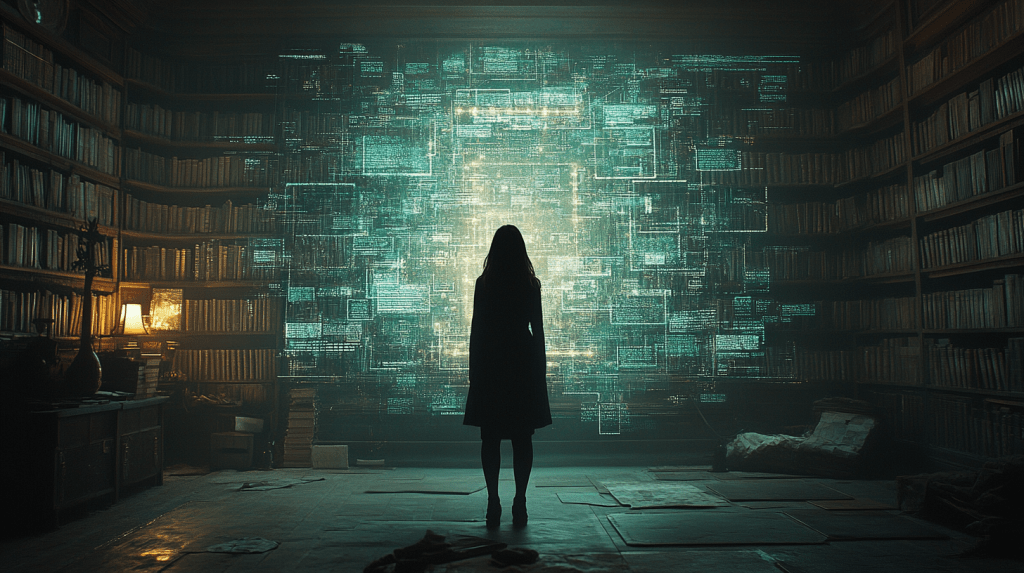
In the winter of 2023, I enrolled in a cyber university. There was a publishing course there. At the same time, the emergence of generative AI moved me forward. I could create illustrations and handle translations. For just 29,000 won a month, I was suddenly capable of doing infinite work.
After six months of preparation, I began full-scale publishing in August 2024, and by March 2025, I had completed it. Now, all nine volumes of Batal Stone have been published as paperbacks. When I held my first printed book, I cried for an entire day. The world that had existed only in my head was now real.
[Ending] Who I Am Today
I have published nine volumes on Amazon. After all those empty years, I am now left with a story, a world, and a book in my hands. Technology shattered my beginning—but brought me to this ending.
Now, I can finally say: the years I lived were not a series of failures—they were the years I spent learning how to make my stories real.


Leave a comment