Exploring Through the Batal Stone Series

Introduction
Hero narratives have been a beloved storytelling tradition throughout human history. The Batal Stone series embraces this tradition, blending the distinct characteristics of Eastern and Western hero narratives into a uniquely captivating story. However, Eastern and Western hero narratives reflect different philosophies and cultural values, showcasing unique distinctions. These differences are intriguingly apparent in the Batal Stone series. In this article, we will delve into the contrasts between Eastern and Western hero narratives and explore how these elements are integrated into the Batal Stone series to deepen its storytelling.
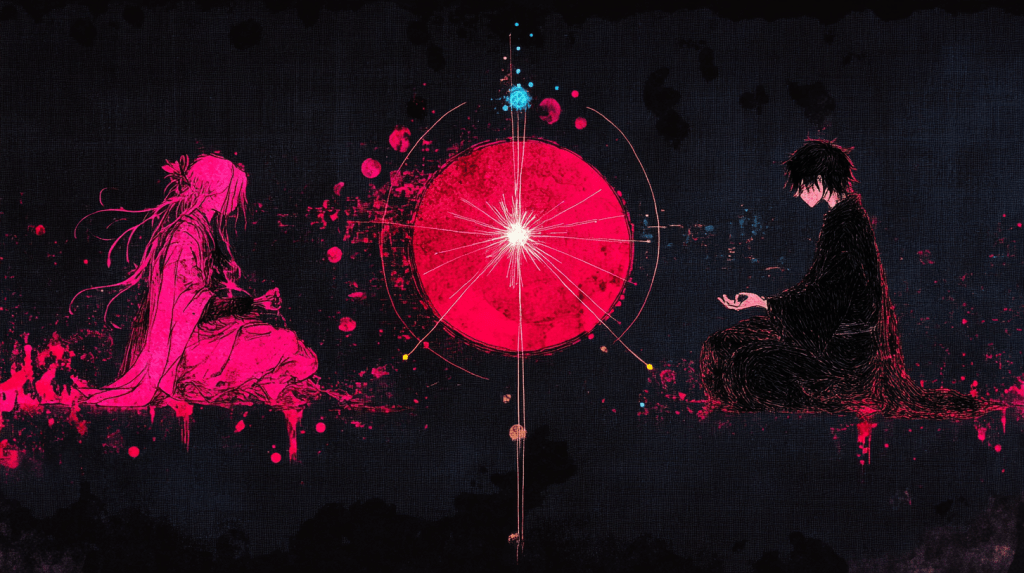
1. Origins and Selection of Heroes
- Western Narratives: Western heroes are often chosen through divine lineage or prophecy. For example, King Arthur rises to the throne due to his noble lineage, and Hercules, the son of a god, is imbued with extraordinary strength. These heroes frequently begin their journeys because of predetermined destinies.
- Eastern Narratives: In Eastern stories, heroes often start from humble beginnings, carving their destinies through effort and perseverance. For instance, Sun Wukong from Journey to the West hones his abilities and collaborates with his companions to grow into a hero.
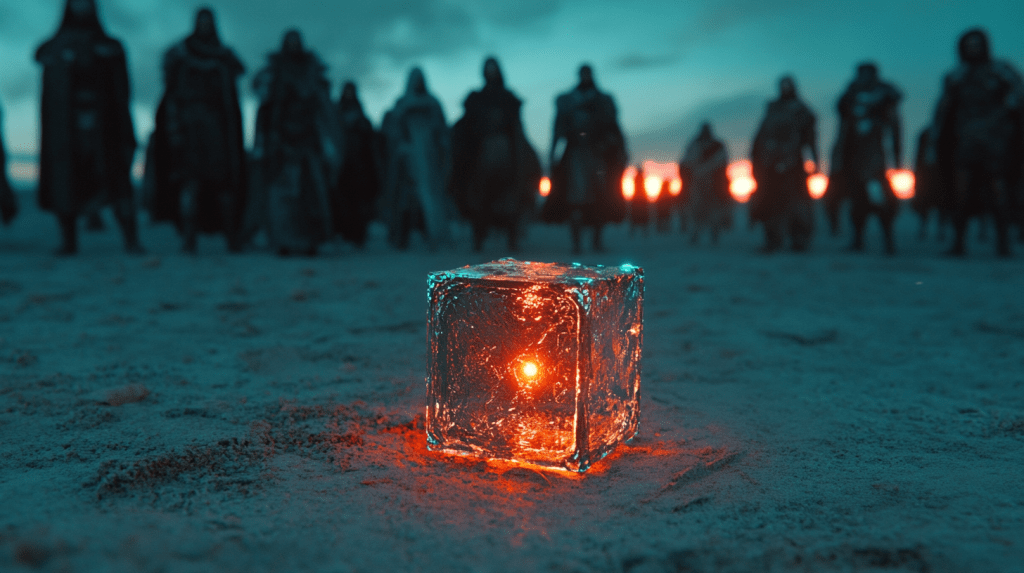
- Connection to the Batal Stone Series: The heroes in the Batal Stone series combine elements of destiny and personal effort. For instance, the protagonist who acquires the final Batal Stone overcomes personal weaknesses through the powers granted by the stone, forging new paths through their choices rather than merely following fate. While the stone chooses the hero, it takes the hero’s initiative to awaken and harness its power. This fusion embodies the strengths of both Eastern and Western traditions, crafting an original narrative.
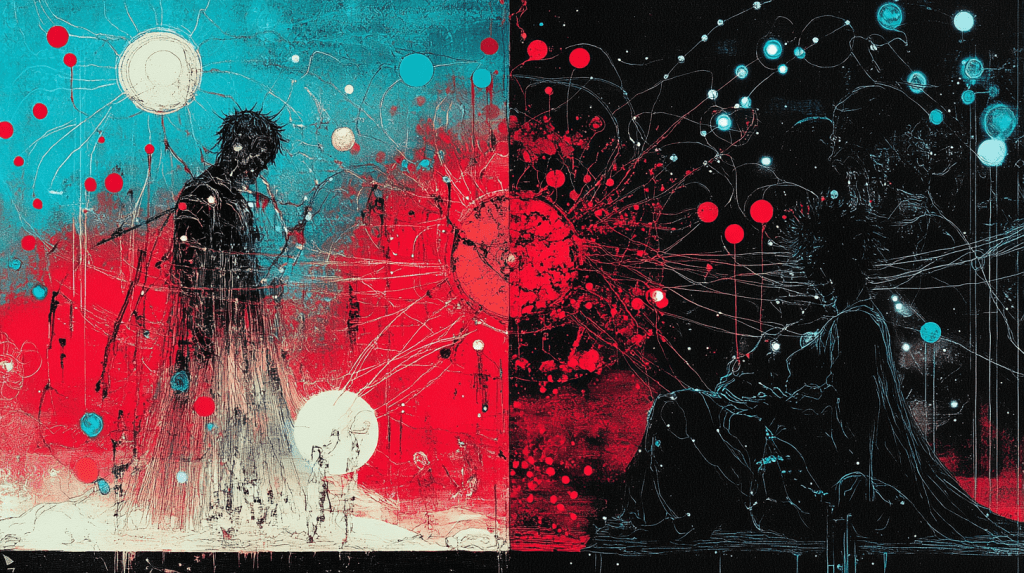
2. Motivations and Goals of Heroes
- Western Narratives: Western heroes often fight for personal glory or revenge. Achilles, for instance, participates in the Trojan War to achieve fame, while Superman strives to uphold his own sense of justice.
- Eastern Narratives: Eastern heroes prioritize harmony and community, focusing on sacrificing themselves for family, country, or the world. Sun Wukong, for example, contributes to enlightenment and the salvation of humanity by assisting Tang Sanzang on his journey.
- Connection to the Batal Stone Series: In the Batal Stone series, protagonists do not solely pursue personal desires. Instead, they blend Eastern values of harmony with Western individualism, offering a fresh perspective. Their journey to protect the world and resolve conflicts highlights communal values while emphasizing personal growth and choice. This alignment resonates with Eastern narratives but does not neglect the individual developmental arcs prominent in Western stories.
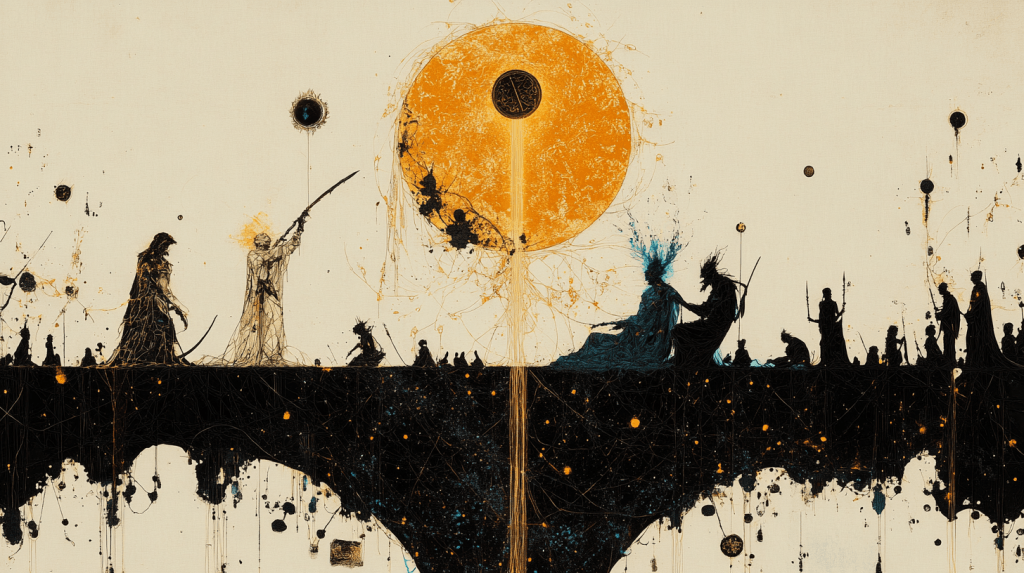
3. Conflict and Resolution
- Western Narratives: Western heroes often confront external enemies, resolving conflicts through battles. These narratives frequently depict a clear dichotomy between good and evil. For example, in The Lord of the Rings, Sauron embodies absolute evil, and in the Marvel Universe, Thanos serves as a singular, unequivocal antagonist.
- Eastern Narratives: Eastern narratives emphasize internal conflicts within the hero. The boundary between good and evil is often blurred, with a focus on achieving harmony and balance.
- Connection to the Batal Stone Series: The Batal Stone series demands both internal growth and external confrontation from its heroes. While Western-style adversaries are present, those seeking the power of the stone are not purely evil; they have their own motivations and human conflicts. This creates layered storytelling where good and evil are not strictly divided but intricately intertwined.
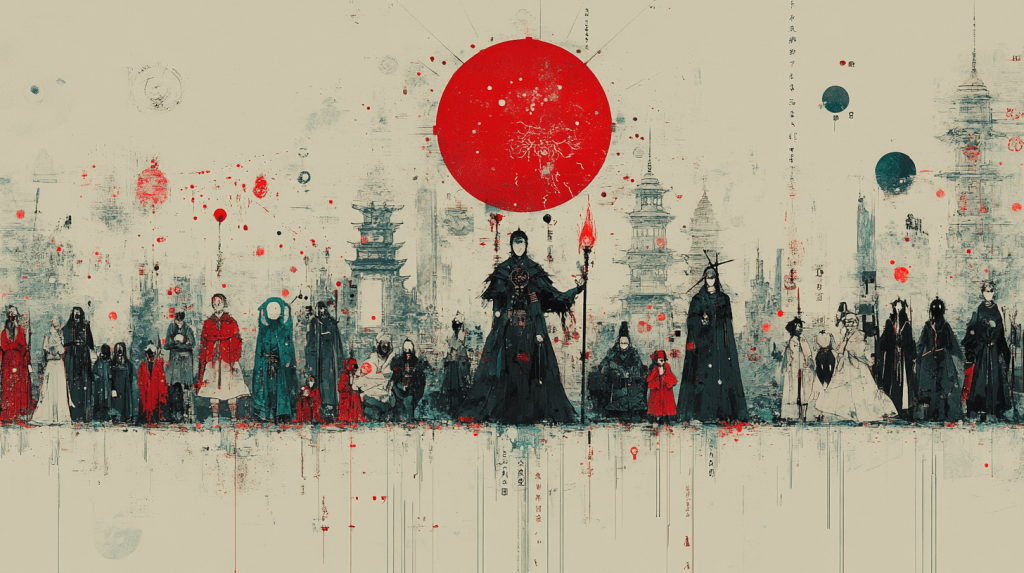
4. Relationships with Companions
- Western Narratives: Western heroes are often portrayed as independent figures. While they may have companions, these characters primarily serve supportive roles, and the story remains centered on the hero.
- Eastern Narratives: Eastern heroes typically embark on journeys with companions. In Journey to the West, for instance, Sun Wukong collaborates with Zhu Bajie and Sha Wujing to achieve their goals.
- Connection to the Batal Stone Series: Similarly, in the Batal Stone series, heroes do not aim to solve everything alone. Collaboration with groups such as the Oun and Barun tribes plays a significant role in the narrative. This teamwork reflects the emphasis on collective effort found in Eastern hero narratives.
Conclusion
Eastern and Western hero narratives each reflect the cultural values and philosophies of their origins. The Batal Stone series harmonizes the essence of these two traditions, providing readers with a deeper and more immersive storytelling experience. By blending Eastern harmony and Western independence, the series redefines the hero archetype. Now, step into the world of the Batal Stone and experience the fusion of Eastern and Western hero narratives firsthand!



Leave a comment