
The Philosophical Roots of Batal stone
Hongik In-gan (弘益人間), meaning “Benefit all humanity,” is a foundational philosophy derived from Korea’s ancient Dangun myth. This principle transcends individual interests, emphasizing harmony within communities and the broader world. It serves as a central inspiration for the Batal Stone series.

The Definition and Origins of Hongik In-gan
Hongik In-gan, which translates to “Benefit all humanity,” originates from the Dangun myth, Korea’s founding legend. This philosophy prioritizes human prosperity and harmony, built on three core principles:
- Community Spirit: Prioritizing collective harmony and well-being over individual gains.
- Harmony with Nature: Emphasizing a symbiotic relationship between humanity and the natural world.
- Universal Love: Promoting compassion that transcends national and religious boundaries.
Hongik In-gan is also embedded in the Korean Constitution and deeply influences education and culture across the nation.
The Batal Stone Narrative and Hongik In-gan
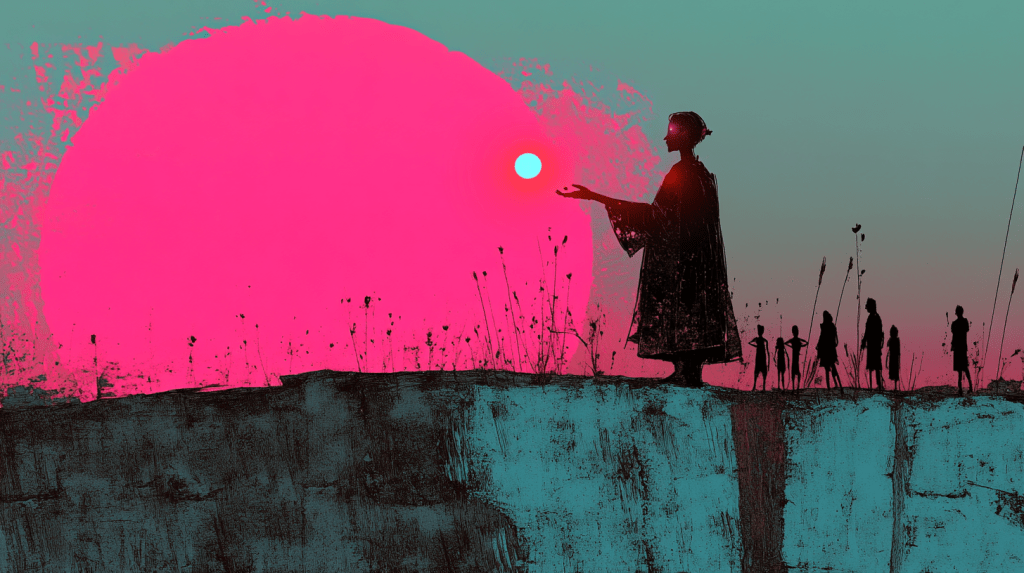
The Batal Stone series is a work of fiction that blends ancient mythology with modern storytelling, showcasing profound Korean worldviews and philosophical depth. For example, the story of Panum, set 10,000 years in the past, illustrates how scattered tribes unified, learned agricultural and survival skills, and embraced harmony and cooperation. This aligns with the modern notion of individuals taking active roles within their communities. The following themes in the Batal Stone series reflect the core values of Hongik In-gan:

1. The Hero’s Mission: To Benefit the World
The protagonists in Batal Stone do not fight for personal glory or revenge. Instead, they dedicate themselves to saving the world and creating a better future. This mirrors the Hongik In-gan ethos of “benefiting all humanity.”
For instance, Kim Tan overcomes his struggles and pain to create a world where humanity, nature, and mystical forces coexist in harmony. His journey focuses on collective welfare rather than individual triumph.
2. Panum’s Story and Tribal Unity
The Batal Stone series incorporates the story of Panum as a prequel interwoven into its narrative. Panum unites dispersed tribes and imparts agricultural and survival techniques to lead them toward prosperity. He is not merely a ruler but a leader who fosters individual potential and encourages each member to become a key player within the community.
Panum’s tale vividly illustrates Hongik In-gan’s core values. He provides equal opportunities to all, mediates conflicts among tribes, and tirelessly pursues justice and fairness. These efforts blend individual interests with community development, enabling diverse members to work toward a shared goal.
Panum’s leadership highlights the essential principles for building sustainable communities in modern society. He emphasizes cooperation, fairness, and the belief that everyone is a protagonist in their journey.

3. The Batal Tree and Mythical Connections
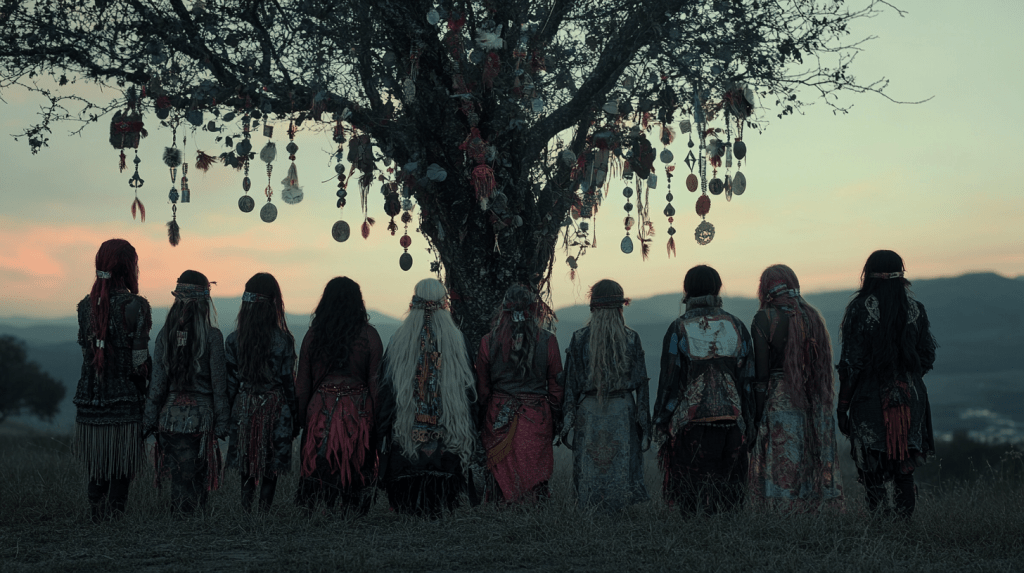
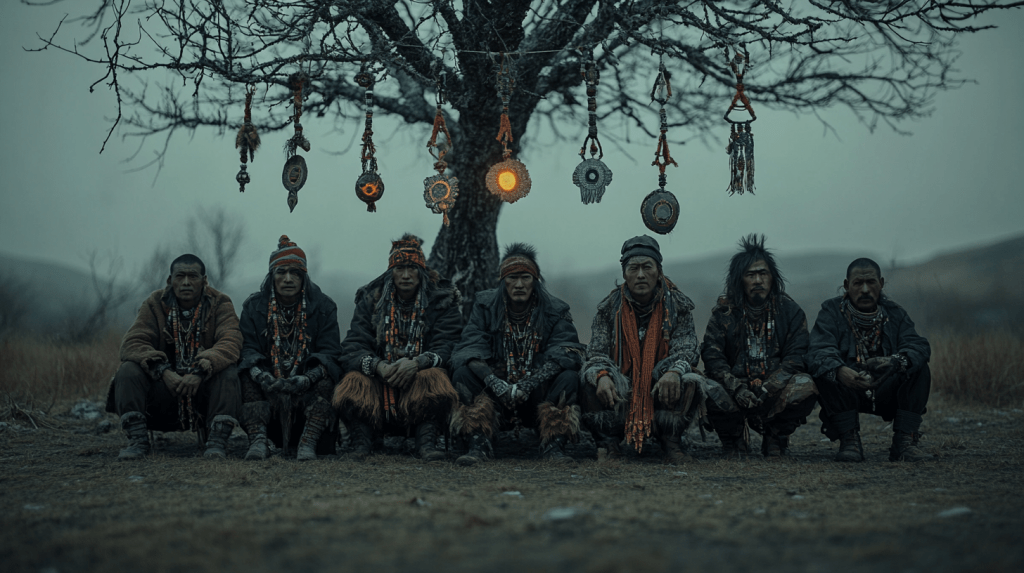
In the story, the “Batal Tree” serves as a symbolic bridge that connects the world and represents harmony and potential among all living beings. This aligns with Hongik Ingan’s focus on the unity of nature and humanity and the awakening of hidden heroism within individuals.
4. Barun and Oun Tribes: Harmony Amid Conflict
The Barun and Oun tribes in Batal Stone represent long-standing conflicts and divisions. However, the story explores their efforts to overcome differences and seek coexistence. This reflects Hongik In-gan’s emphasis on harmony and mutual cooperation, teaching readers the importance of finding common ground even amidst conflict.
Modern Interpretation and Lessons
Hongik In-gan is not just an ancient philosophy but a universal value that remains relevant today. The Batal Stone series reinterprets this concept creatively and delivers the following messages to readers:
- Personal Growth: The courage to find and fulfill one’s mission, even in adversity.
- The Importance of Community: The need for sacrifice and collaboration to build a thriving society.
- The Philosophy of Harmony: Balancing nature, humanity, and diverse cultures and traditions.
Sustainable communities require fair outcomes based on effort and merit. Opportunities must be equally distributed, and those who lag behind should be supported through education and empowerment, enabling them to align with the community’s progress.
Conclusion
Hongik In-gan is not merely a traditional Korean philosophy but a universal principle that can expand to encompass humanity. The Batal Stone series integrates this ethos into its narrative, offering readers profound inspiration and enlightenment.
Through the world of Batal Stone, which embodies the message “Benefit all humanity,” readers are encouraged to discover their potential to become heroes in their own right. This article aims to help readers appreciate the philosophical roots of Batal Stone and deepen their engagement with the series.



Leave a comment