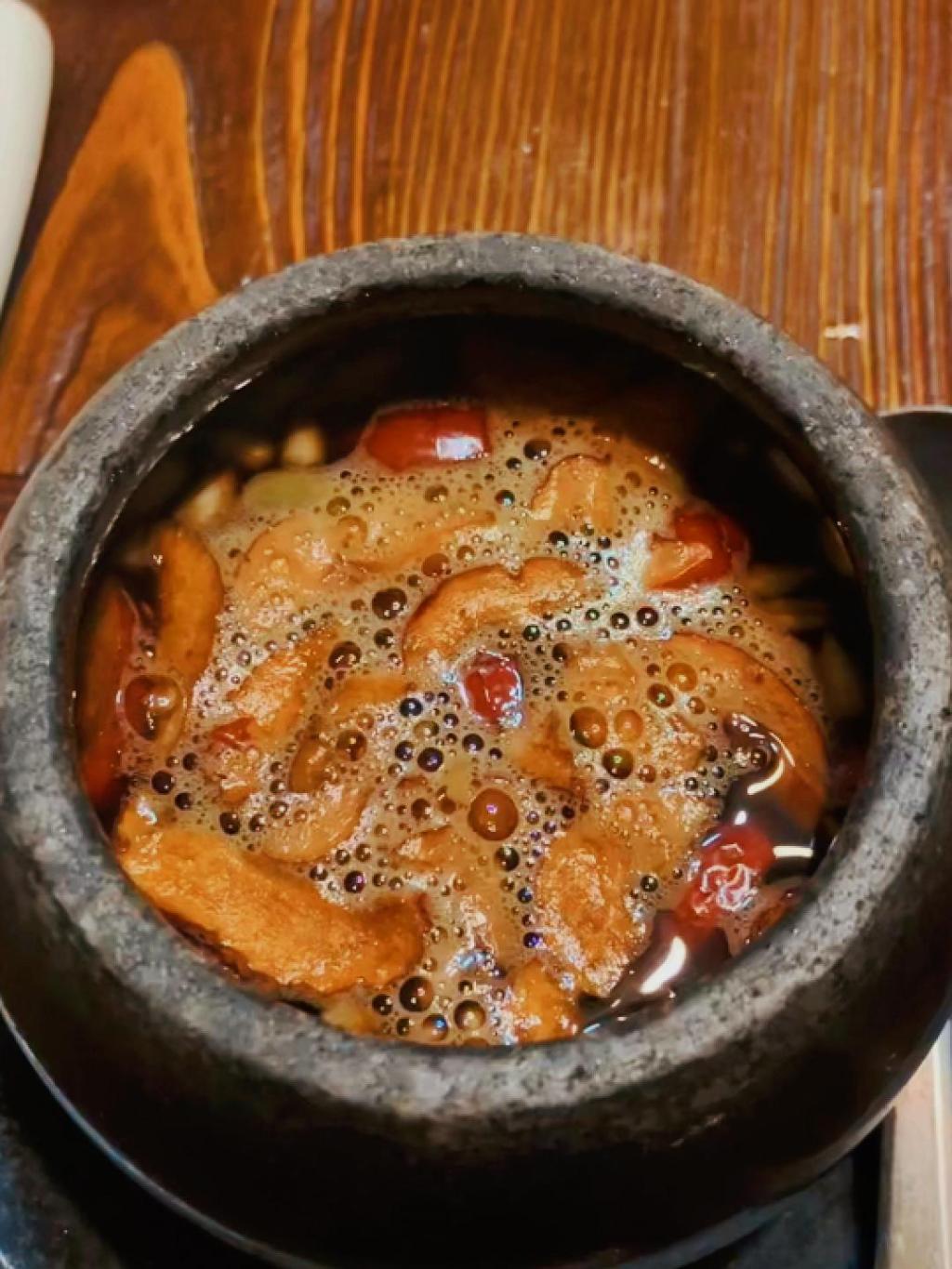
Ssanghwa Tea
The Batal Stone series brings the richness of Korean culture to life, weaving traditional elements seamlessly into its narrative. One such element is Ssanghwa Tea, a traditional Korean herbal beverage that symbolizes health, warmth, and hospitality. This article explores the history, preparation, and cultural significance of Ssanghwa Tea, connecting it to its literary depiction in the Batastone series.
What Is Ssanghwa Tea?
Ssanghwa Tea (쌍화차) is a classic Korean medicinal tea made with a blend of herbs, honey, and dried fruits. The term “Ssanghwa” translates to “twin harmony,” emphasizing the tea’s role in balancing and rejuvenating the body. Traditionally consumed to promote health and vitality, Ssanghwa Tea has become a staple of Korean cultural heritage.
Historical Background
The origins of Ssanghwa Tea date back to Korea’s traditional medicine practices during the Goryeo and Joseon Dynasties. The tea was favored by scholars and nobility who valued its restorative properties. Ssanghwa Tea was often prescribed to combat fatigue, boost immunity, and improve overall health, making it a symbol of care and well-being.
Ingredients and Preparation
The key ingredients in Ssanghwa Tea include:
- Angelica root (당귀): Known for enhancing blood circulation and restoring energy.
- Cinnamon (계피): Provides warmth and improves digestion.
- Ginger (생강): Boosts immunity and relieves nausea.
- Jujube (대추): Adds natural sweetness and helps with relaxation.
- Korean ginseng (인삼): Renowned for increasing stamina and focus.
Optional ingredients like honey, pine nuts, or egg yolk can be added for flavor and nutritional value.
Preparation Steps:
- Combine the herbs in a pot with water and simmer for several hours.
- Strain the liquid to remove solids.
- Sweeten with honey and serve in a traditional Korean tea set, garnished with jujube slices or pine nuts.
Cultural Significance
Ssanghwa Tea embodies the Korean spirit of “Jeong” (정) — a deep emotional bond and sense of care for others. Offering Ssanghwa Tea is an act of hospitality and respect, often shared during meaningful conversations or as a remedy for someone feeling unwell. This tradition highlights the value Koreans place on health and human connection.
Ssanghwa Tea in the Batal Stone Series
In the Batal Stone series, Ssanghwa Tea is introduced during a key moment between Asura and Wang Jongchul. The tea serves as more than a beverage; it becomes a symbolic medium for dialogue, trust, and reflection.
While the two were engaged in casual conversation, the door opened, and someone entered carrying a tray of tea.
“Just leave it here and go,” Asura instructed curtly. The person placed an elegant celadon teacup on the table and left without a word.
Pushing the teacup toward Wang Jongcheol, Asura spoke. “Please, have a taste.”
When Wang Jongcheol lifted the lid of the teacup, a blend of herbal and sweet aromas wafted up, filling his nostrils.
“Oh, ssanghwa tea. Drinking ssanghwa tea in the summer, of all seasons…” he remarked, surprised.
“Age has its ways of steering you toward such things. It’s good for the body. Go ahead, try it.”
Lifting the teacup, Wang Jongcheol took a small sip. The distinctive rich flavor and aroma of ssanghwa tea seemed to infuse his very being with vitality. He let out a contented smile, prompting Asura to ask cautiously,
“So, what brings you all the way out here? You could have just called, you know.”
At this, Wang Jongcheol’s expression stiffened. He set the teacup down and fell silent, gazing intently at the few pine nuts floating on the surface of the tea.
This scene reflects the duality of Ssanghwa Tea—its ability to soothe while encouraging contemplation—paralleling the characters’ emotional and strategic challenges.
Health Benefits of Ssanghwa Tea
For international readers, Ssanghwa Tea’s health benefits offer a compelling reason to try this traditional beverage:
- Immune Boost: Ingredients like ginger and ginseng strengthen the body’s defenses.
- Enhanced Circulation: Angelica root and cinnamon improve blood flow.
- Stress Relief: Jujube and honey promote relaxation and better sleep.
- Energy Restoration: A natural tonic for fatigue, making it ideal for recovery.
Modern Adaptations
While traditionally brewed at home or in tea houses, Ssanghwa Tea is now available as pre-packaged tea bags or powdered mixes, making it accessible to a global audience. Contemporary versions sometimes include additional flavors like citrus or mint to cater to modern tastes.
Conclusion
Ssanghwa Tea is more than just a drink; it is a bridge between Korea’s past and present, reflecting the country’s dedication to health, community, and cultural preservation. In the Batal Stone series, its inclusion deepens the narrative, offering readers a sensory glimpse into Korean traditions. By understanding and savoring Ssanghwa Tea, we connect with the enduring values of care, respect, and harmony that transcend borders and time.




Leave a comment