From Ancient to Modern Times and Batal Stone’s Unique Interpretation

“What’s wrong with the old man? Can’t he be Batal?”
“Is that why you switched the screen?”
“Yes, tell me why the old man can’t be Batal.”
Park To’s tone was rough, unable to accept a result different from his expectations.
“That’s because if the hero is an old man, it’s not cool. It’s just not cool at all.”
Unbelievable. Park To couldn’t accept this. He sighed deeply.
“This young boy is already corrupted by society’s harsh norms. Don’t you know anyone can be Batal? If the old man were Batal, would you deny it?”
Park Wol glared at him.
“No, I wouldn’t deny it. But it’s still true that it wouldn’t be cool. A hero needs to be cool.”
“No more YouTube for you. You’re getting weird ideas from watching that stuff. Thoughts should always be open!”
Park To’s words made Park Wol suddenly angry.
“What does open thinking have to do with YouTube?”
“Anyway, it’s dangerous. It’s full of fake information and fake news! Do you know how many people comment in agreement on videos saying the Earth is flat?”
Heroic narratives have been central to human culture from ancient times to the present. They portray protagonists’ journeys as they overcome trials, grow, and achieve great deeds. These narratives are widely utilized in literature, film, and games. They also adapt their forms and meanings to fit the times and cultures they belong to. This article delves into why heroic narratives remain appealing. It examines their definitions and characteristics. It looks at their transformations in modern cultural content. It also explores how Batal Stone provides a fresh perspective on the classic hero’s journey.

Definition and Characteristics of Heroic Narratives
A heroic narrative usually tells the story of a protagonist with extraordinary abilities or qualities. This protagonist embarks on an adventure and overcomes challenges. In the end, they bring positive change to society or the world. These stories go beyond simple adventures to symbolize personal growth and societal transformation. The key characteristics of heroic narratives include:
- Extraordinary Origins: Heroes often have a special birth or destiny. They are frequently depicted as descendants of gods. Their journeys are foretold in prophecies and predestined from the moment of their birth.
- Adventure and Trials: Heroes face numerous challenges and obstacles during their journeys. Through these trials, they test their limits and discover their inner strength and courage.
- Growth and Transformation: Heroes grow both internally and externally, gaining new abilities or wisdom. This process allows them to transcend their original state, achieving enlightenment or extraordinary powers.
- Return and Reward: After completing their adventures, heroes return to their original world to share what they have gained or take on new roles. This return is not just a physical journey home. It is also a phase where they share the lessons and powers with society.

Heroic Narratives in Modern Cultural Content
In modern cultural content, traditional heroic narratives are often transformed in diverse ways. The Marvel Cinematic Universe (MCU) provides an example. It showcases superheroes with varying backgrounds and abilities. These heroes join forces to save the world. These stories maintain the structure of classic heroic narratives while reflecting contemporary values and societal issues, resonating deeply with audiences.
In the gaming industry, heroic narratives also serve as key storytelling elements. For instance, The Legend of Zelda series follows protagonist Link. He overcomes trials to save the world. This series embodies the archetypal hero’s journey. Games like these immerse players by allowing them to experience the hero’s journey firsthand, amplifying the appeal of heroic narratives.
Modern heroic narratives, unlike their ancient counterparts, emphasize the hero’s internal conflicts and human aspects. Heroes are no longer depicted as perfect beings; instead, their flaws and limitations are highlighted, making their growth relatable.
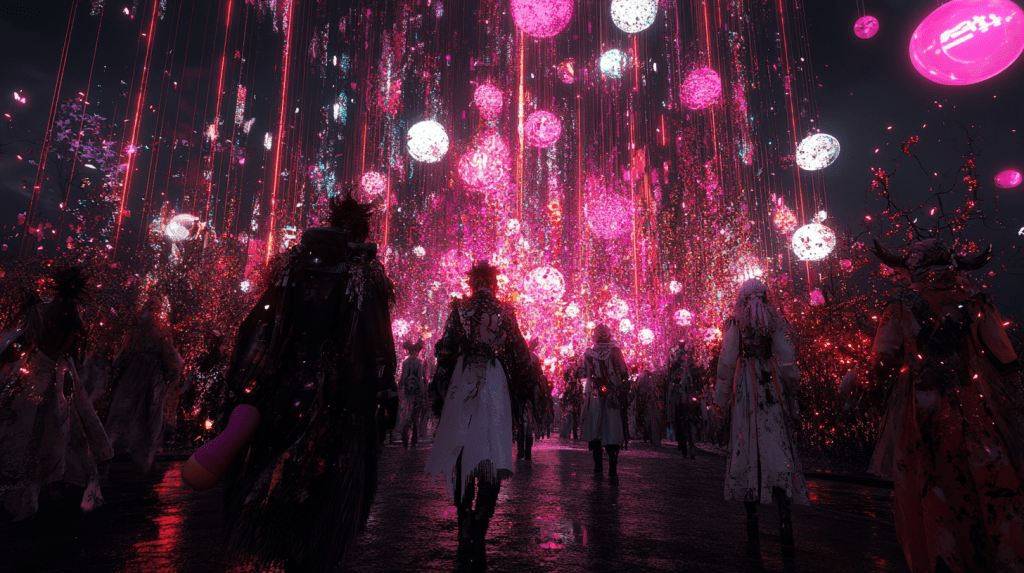
The Modern Direction of Heroic Narratives
Modern heroic narratives emphasize diversity and inclusivity. Traditional hero archetypes often centered around white male protagonists. Recent narratives have introduced heroes from diverse backgrounds. These include women, people of color, and LGBTQ+ individuals. This broadens their appeal. For example, the film Black Panther, which features a Black hero against the backdrop of African culture, received widespread acclaim. This shift reflects modern societal values and underscores the importance of inclusive storytelling.
Additionally, modern heroes are often portrayed with human flaws, internal struggles, and vulnerabilities, making them more realistic and relatable. Instead of presenting them as infallible, these narratives focus on their mistakes and growth, allowing audiences to connect more deeply. For instance, Iron Man is a scientific genius, but his decisions have significant repercussions, and he grows through these experiences.

Comparison with Batal Stone’s Heroic Narrative
Batal Stone: The Hero’s Stone is a Korean fantasy novel. It draws inspiration from traditional Korean mythology. It blends the classic structure of heroic narratives with unique elements. The protagonist, Kim Tan, begins as an ordinary young man who embarks on his hero’s journey through a chance event. This diverges from the traditional “extraordinary birth” trope, delivering the message that anyone can become a hero. This aligns with modern emphasis on the “heroism of the ordinary,” allowing readers to relate more easily to the narrative.
Furthermore, Batal Stone incorporates Korean sensibilities by drawing from the myth of Hwanung and Dangun. Just as Hwanung descended from heaven to govern humanity, Kim Tan embarks on his journey with a mission to save his world. However, unlike Western-centered heroic narratives, Batal Stone emphasizes harmony with nature, community, and personal growth. These elements offer both familiarity and novelty to Korean readers, enriching their experience.
The Everlasting Appeal of Heroic Narratives
Heroic narratives continue to evolve across eras and cultures, remaining a cornerstone of modern storytelling. Traditional narratives emphasized extraordinary origins and destined paths. In contrast, modern heroic stories focus on how ordinary individuals rise to heroism in their own ways. Batal Stone inherits this tradition. It incorporates Korean elements and modern sensibilities. It offers readers a fresh take on the hero’s journey.The story of Batal Stone reflects not just fantasy but also the challenges and growth we face in our own lives. Why not join this journey and become an ordinary hero like Kim Tan?



Leave a comment