The First Motif of the Batal Stone Universe: The Hwanung Myth
The World of Batal Stone: Exploring the Hwanung Myth
The Hwanung myth stands as one of Korea’s most significant ancient narratives. It plays a pivotal role in explaining the origins of the Korean people. This myth narrates the descent of Hwanung, the son of the heavenly deity Hwanin*, to the human world. Hwanung imparted laws, wisdom, and various cultural advancements. This action fostered civilization. Emphasizing the harmonious relationship between nature, humanity, and the divine, the Hwanung myth has profoundly influenced Korean cultural identity.
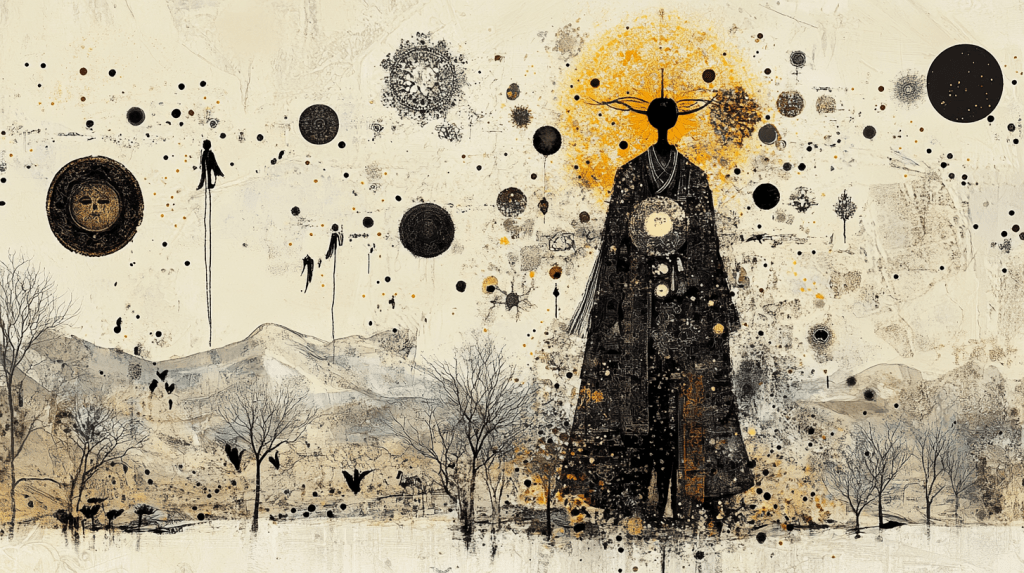
Hwanung’s Descent: The Three Heavenly Seals
The Hwanung myth highlights a central scene. Hwanung descends to the human realm, bearing the ‘Three Heavenly Seals’ (Cheonbu Sam In). With Hwanin’s permission, Hwanung descended to Earth, accompanied by deities governing wind, rain, and clouds. They established ‘Sinsi’ (City of God) at Mount Taebaek, now known as Mount Baekdu, and began their governance. In this process, Hwanung played a crucial role in understanding the principles of nature and advancing human society.
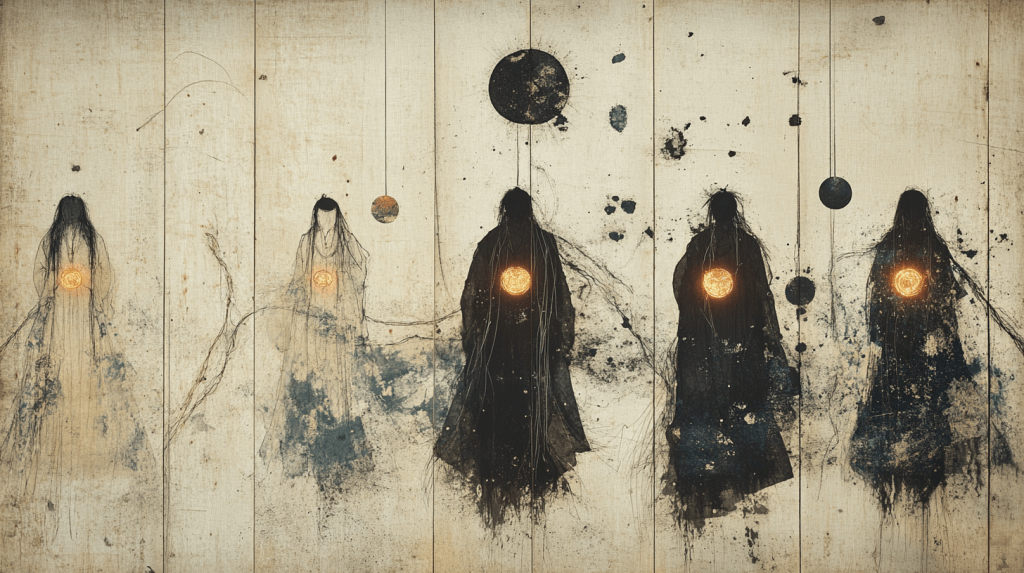
The Tale of the Bear and the Tiger
One of the most renowned stories within the Hwanung myth involves a bear and a tiger aspiring to become human. They earnestly beseeched Hwanung. He instructed them to endure 100 days in a cave. They could only consume mugwort and garlic without exposure to sunlight. The tiger failed to complete this trial, but the bear persevered and transformed into a woman. This woman later married Hwanung and bore a son, Dangun, who founded Gojoseon, the first Korean kingdom.

Mythological Significance and Symbolism
The Hwanung myth is not merely a tale of a deity descending to govern the world. It underscores the harmonious relationship between nature, the divine, and humanity, highlighting the importance of human will and perseverance. The bear’s endurance symbolizes patience and transformation, while Hwanung’s teachings represent the inception of civilization and societal development. These mythological elements are reflected in works like Batal Stone, where heroes undergo trials and growth.
Comparative Analysis with Other East Asian Myths
Similar myths exist in other East Asian cultures. For instance, Japan’s Amaterasu myth shares several commonalities with the Hwanung myth. Amaterasu, the sun goddess in Japanese mythology, illuminates the human world from the heavens, legitimizing governance. Her grandson, Ninigi-no-Mikoto, descends from the heavens to rule Japan. This act symbolizes the connection between the celestial and human realms. It is akin to Hwanung’s descent to impart laws and morals.
Additionally, China’s ancient Yellow Emperor (Huangdi) myth bears similarities to the Hwanung myth. Huangdi, a legendary ancestor in Chinese mythology, received divine authority to rule the human world. Like Hwanung, he is depicted as teaching agriculture, medicine, and music, contributing to societal development. Both myths feature a celestial figure descending to establish civilization and governance.
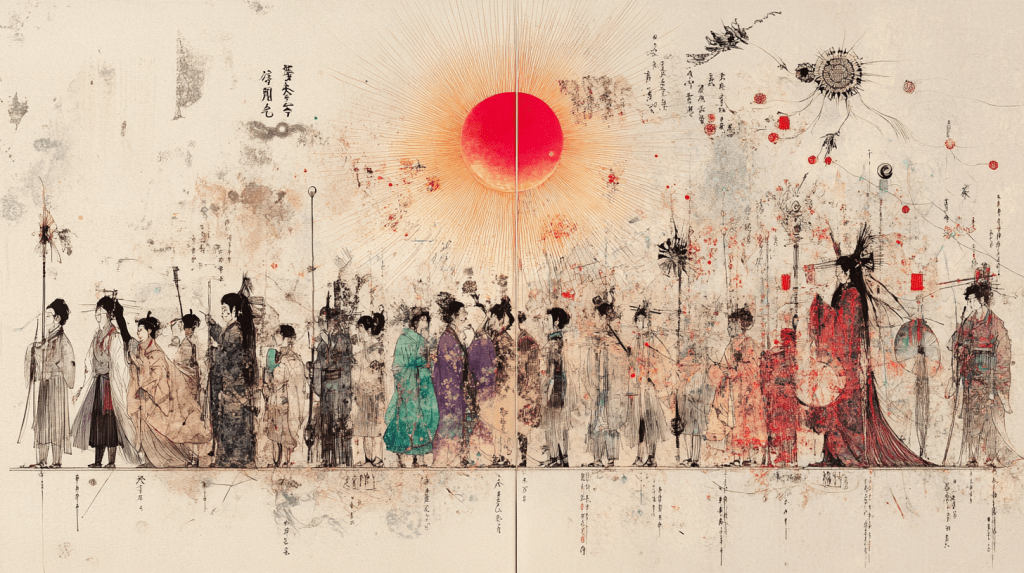
Connection to Batal Stone
Batal Stone reflects the motifs of the Hwanung myth, portraying protagonists entrusted with a heavenly mission to transform the world. Hwanung descended to establish Sinsi. He imparted wisdom. Similarly, the protagonists of Batal Stone embark on journeys to overcome hardships and effect change. In this regard, the Hwanung myth is a significant source of inspiration for Batal Stone. It integrates the characters’ journeys, growth, and contributions within a mythological context.
The Hwanung myth vividly illustrates Korea’s cultural roots and identity. In future posts, we will explore these mythological backgrounds further. We will discuss their connections to Batal Stone. This will offer readers a richer narrative experience.
Hwanin*: Hwanin (桓因) is known in Korean mythology as the “Lord of Heaven,” the father of Hwanung, and the grandfather of Dangun Wanggeom. The name ‘Hwanin’ translates to ‘Heavenly Person,’ signifying his role as the ruler of the heavens. When his son Hwanung expressed a desire to descend to the human world to govern it, Hwanin granted permission. He bestowed upon him three heavenly seals (Cheonbuin). This allowed Hwanung to descend to Earth. This narrative is central to the Dangun myth, which holds a significant place as Korea’s foundational legend. – Information of Korea



Leave a comment